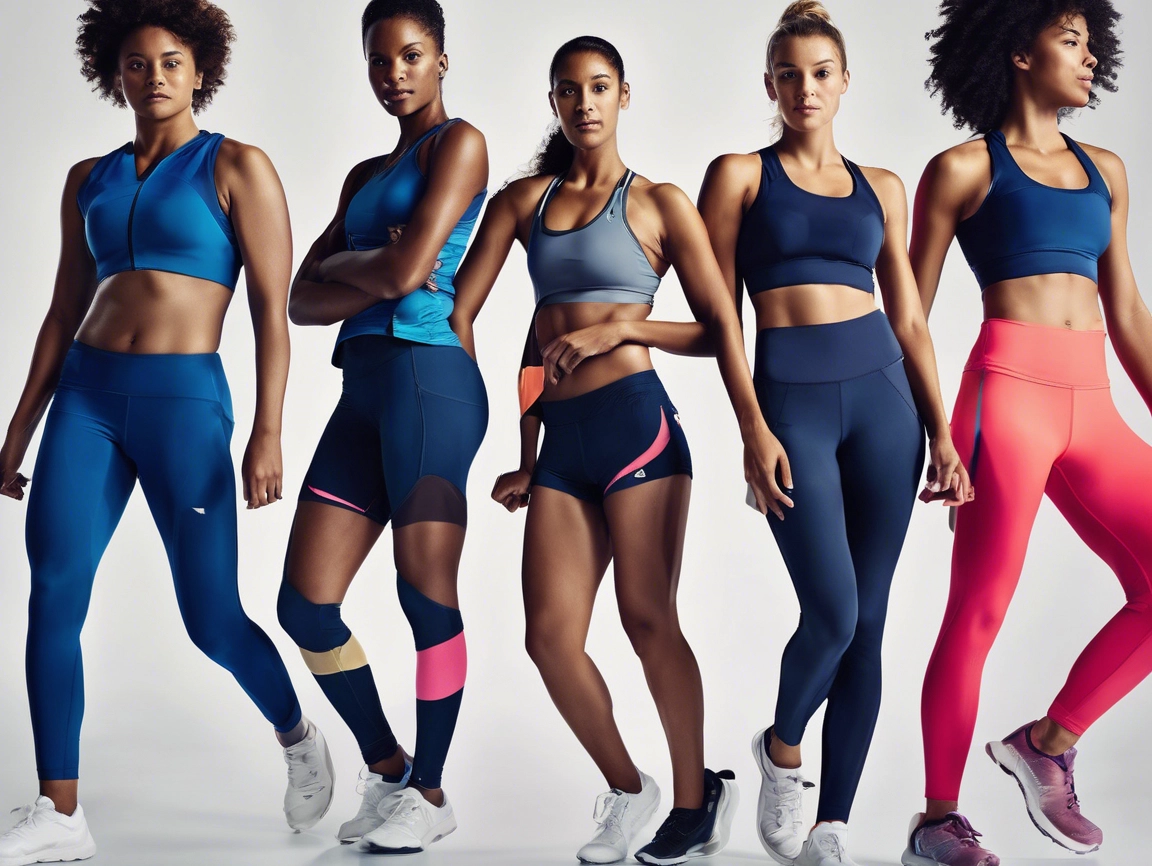
Sport wear, also known as sportswear or activewear, is a specialized segment within the clothing industry designed specifically for athletic activities, sports, and physical exercise. This segment focuses on functionality, performance, and comfort, catering to the needs of athletes and fitness enthusiasts. Here are some key aspects of the sport wear segment:
Key Features of Sport Wear
-
Material:
- Performance Fabrics: Materials like polyester, nylon, and spandex are commonly used for their durability, moisture-wicking properties, and stretchability.
- Breathability: Fabrics that allow air circulation to keep the body cool during intense activities.
- Compression: Materials that provide support and improve blood circulation, reducing muscle fatigue.
-
Design:
- Ergonomic Fit: Tailored to enhance movement and reduce resistance, often with features like flat seams to prevent chafing.
- Reinforced Areas: Extra padding or reinforcement in high-stress areas, such as knees and elbows, for added protection.
- Reflective Elements: For visibility and safety during low-light conditions.
-
Functionality:
- Pockets and Storage: Strategically placed pockets for carrying essentials like keys, phones, and energy gels.
- Ventilation Zones: Enhanced breathability in high-sweat areas like the back and underarms.
- Adjustable Features: Drawstrings, adjustable straps, and zippers for a customizable fit.
Popular Types of Sport Wear
-
Tops:
- T-shirts and Tank Tops: Lightweight and breathable, often with moisture-wicking properties.
- Sports Bras: Designed for support and comfort during high-impact activities.
- Hoodies and Sweatshirts: For warmth during outdoor activities or post-workout.
-
Bottoms:
- Leggings and Tights: Provide compression and support, often with high waistbands for added comfort.
- Shorts: Lightweight and breathable, suitable for running and other high-intensity activities.
- Joggers and Sweatpants: Comfortable and versatile, suitable for both exercise and casual wear.
-
Footwear:
- Running Shoes: Designed for cushioning, support, and durability.
- Training Shoes: Versatile shoes for various types of workouts, including weightlifting and cross-training.
- Specialized Shoes: For specific sports like basketball, soccer, and hiking.
Trends in Sport Wear
- Athleisure: The blending of athletic wear with casual fashion, making it suitable for everyday wear.
- Sustainable Materials: Increasing use of eco-friendly fabrics and production methods.
- Smart Clothing: Integration of technology, such as fitness trackers and biometric sensors, into clothing.
- Customization: Personalized designs and fits to cater to individual preferences and needs.
Market Dynamics
- Brand Competition: Major brands like Nike, Adidas, Under Armour, and Lululemon dominate the market, constantly innovating to stay ahead.
- Consumer Preferences: Growing demand for stylish yet functional athletic wear, driven by health and fitness trends.
- E-commerce Growth: Online platforms have become significant channels for purchasing athletic wear, offering convenience and a wide range of options.
Conclusion
Sport wear continues to evolve, driven by advancements in fabric technology, changing consumer lifestyles, and the fusion of fashion and functionality. Whether for professional athletes or casual fitness enthusiasts, this segment remains a dynamic and integral part of the clothing industry.
![Read more about the article Formal [Social] Wear](https://clothing.coconet-us.net/wp-content/uploads/2017/02/Evening-Gown-White-768x768.jpg)