Leather garments hold a significant place in the clothing industry, prized for their durability, versatility, and timeless style. From rugged outerwear to sophisticated accessories, leather has been a staple in wardrobes across cultures and throughout history.
Leather’s use in clothing dates back to prehistoric times, where animal hides provided essential protection against the elements. Over centuries, the techniques for processing and crafting leather evolved, leading to its integration into various forms of apparel and accessories in ancient civilizations. During the Middle Ages, leather became a common material for clothing, armor, and footwear. The Renaissance saw leather become a prized material for luxury garments, and with the Industrial Revolution, leather production transformed through mechanization. The 20th century witnessed leather’s iconic status cemented by its association with rebellion, adventure, and high fashion.
Leather derived from animal hides possesses unique qualities that make it desirable for clothing:
- Durability: Leather is known for its resistance to wear and tear, often lasting for many years.
- Flexibility and Comfort: When properly processed, leather becomes supple and molds to the body, offering comfort.
- Breathability: Unlike some synthetic materials, leather allows for some air circulation.
- Water Resistance: While not entirely waterproof, leather can offer a degree of protection against moisture.
- Aesthetic Appeal: Leather has a distinctive look and texture that can range from rugged to refined.
The type of animal hide and the tanning process significantly influence the characteristics of the final leather. Common types of leather used in garments include:
- Cowhide: Durable and widely used for jackets, bags, and sturdy items.
- Sheepskin: Soft and lightweight, often used for jackets, gloves, and linings.
- Goatskin: Supple yet durable, suitable for gloves, jackets, and lighter garments.
- Pigskin: Durable with a distinctive texture, often used for gloves and some apparel.
- Exotic Leathers: Such as crocodile, snake, and other reptile skins, prized for their unique patterns and used in luxury items.
The Manufacturing Process
The journey from raw animal hide to a finished leather garment is a multi-stage process:
- Preservation: Raw hides are treated to prevent decomposition, typically through salting, chilling, or chemical preservation.
- Beamhouse Operations: This stage involves cleaning, soaking, liming (hair removal), fleshing (removal of residual tissue), and bating (softening).
- Tanning: The crucial step that converts the protein structure of the hide into stable, non-perishable leather using various agents like chromium salts (chrome tanning), vegetable tannins, or synthetic tannins.
- Post-Tanning (Wet End): Processes like neutralization, dyeing, and fatliquoring enhance the leather’s properties, color, and feel.
- Finishing: This stage involves mechanical treatments like stretching and drying, followed by surface treatments such as buffing, coating, and embossing to achieve the desired aesthetic and functional qualities.
- Garment Production: The finished leather is then cut according to patterns and sewn into various garment styles, including jackets, pants, skirts, dresses, and accessories like gloves, belts, and bags.
Leather Garments in Contemporary Fashion
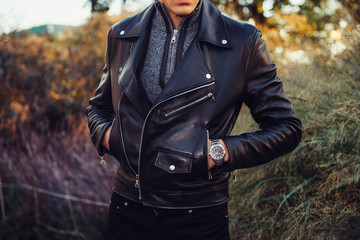
Today, leather garments remain highly fashionable and versatile. They are seen across various styles, from classic biker jackets and sophisticated trench coats to edgy leather pants and chic skirts. Leather accessories, such as handbags, wallets, and belts, are essential components of many outfits.
![Read more about the article Formal [Social] Wear](https://clothing.coconet-us.net/wp-content/uploads/2017/02/Evening-Gown-White-768x768.jpg)