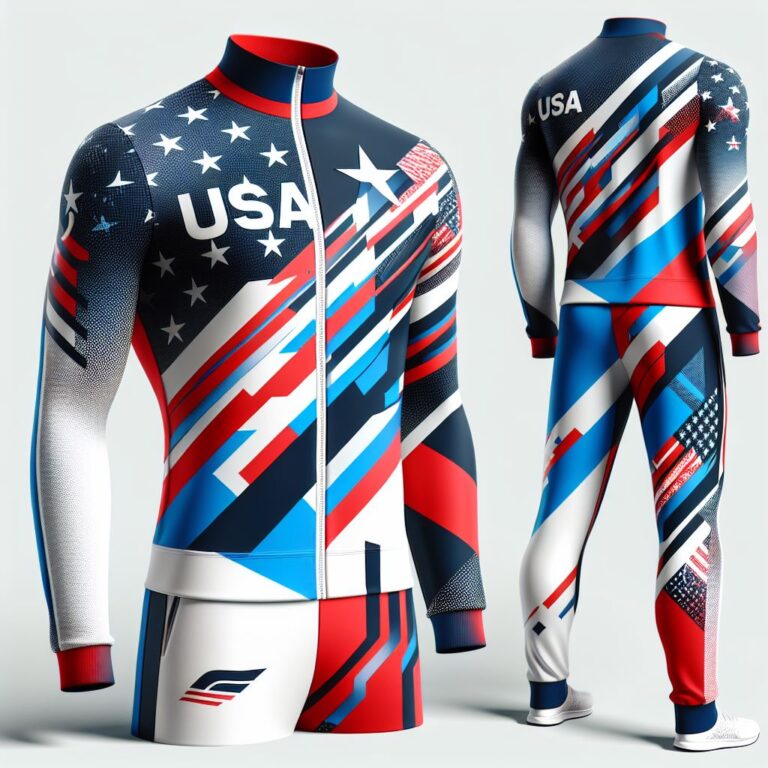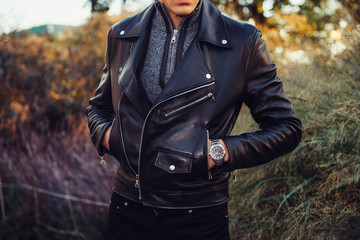
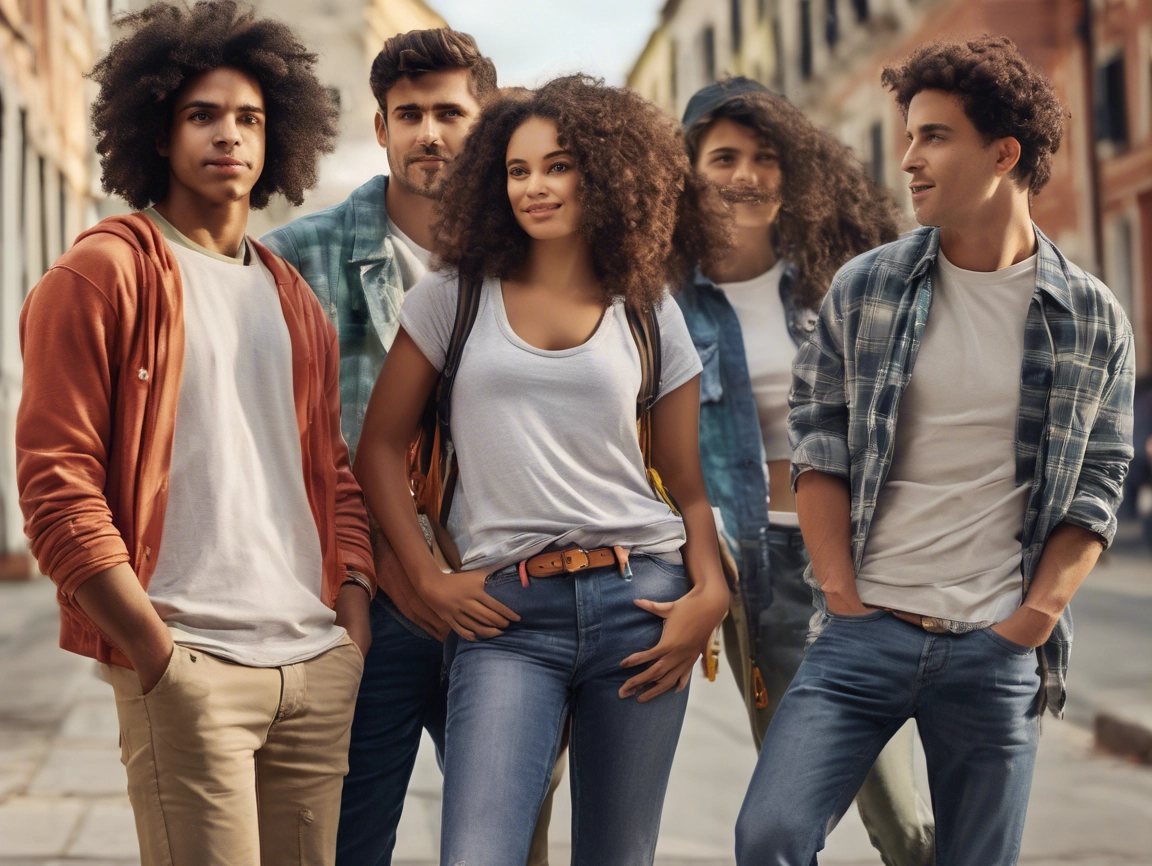
Casual wear in the clothing industry encompasses a broad range of comfortable and informal garments suitable for everyday use and relaxed social settings. Unlike formal wear or business attire, casual wear prioritizes comfort, practicality, and personal expression over strict dress codes. It’s a massive and diverse segment of the industry, constantly evolving with trends and reflecting individual lifestyles.
Core Characteristics:
- Comfort: This is paramount. Fabrics are often soft, breathable, and allow for ease of movement (e.g., cotton, linen, knits, denim).
- Informality: Casual wear generally avoids highly structured silhouettes, elaborate embellishments, and traditional formal fabrics.
- Versatility: Many casual pieces can be mixed and matched to create different looks suitable for various informal occasions.
- Personal Expression: Casual wear allows individuals to showcase their personal style, interests, and affiliations through colors, patterns, graphics, and brands.
- Ease of Care: Often designed to be relatively easy to wash and maintain.
Key Categories and Garments within Casual Wear:
-
Tops:
- T-shirts: Short-sleeved, crew neck or V-neck, often featuring graphics, logos, or plain colors. A fundamental casual staple.
- Polo shirts: Short-sleeved knit shirts with a collar and button placket, offering a slightly more polished casual look.
- Sweatshirts and Hoodies: Comfortable knit tops, often fleece-lined, for warmth and a relaxed vibe. Hoodies have an attached hood.
- Casual Shirts: Button-down or button-up shirts in fabrics like cotton, flannel, denim, or linen, often worn untucked or with rolled-up sleeves.
- Tank Tops and Sleeveless Shirts: For warmer weather or layering.
- Knit Tops and Sweaters: Various styles from lightweight knits to chunky sweaters, offering warmth and texture.
-
Bottoms:
- Jeans: A quintessential casual staple in various washes, fits (slim, straight, relaxed, bootcut), and styles (distressed, ripped).
- Casual Pants: Including chinos, khakis, cargo pants, joggers, and track pants, often made from cotton blends or synthetic fabrics.
- Shorts: Various lengths and styles, including denim shorts, chino shorts, cargo shorts, and athletic shorts, suitable for warm weather.
- Skirts and Dresses: Casual skirts in denim, cotton, or knit fabrics, and relaxed-fit dresses like sundresses or jersey dresses.
-
Outerwear:
- Casual Jackets: Denim jackets, bomber jackets, windbreakers, lightweight parkas, and fleece jackets.
- Sweater Jackets and Cardigans: Knit outerwear options for added warmth and style.
-
Footwear:
- neakers: A dominant category, ranging from athletic trainers to fashion sneakers.
- Casual Boots: Including work boots, hiking boots (worn casually), and fashion-oriented casual boots.
- Sandals and Flip-flops: Primarily for warm weather and informal settings.
- Loafers and Casual Slip-ons: Offering a slightly more dressed-up casual look.
-
Accessories:
- Hats and Caps: Baseball caps, beanies, fedoras (worn casually).
- Scarves and Bandanas: For warmth or style.
- Casual Bags: Backpacks, tote bags, crossbody bags.
- Jewelry: Often more understated and personal compared to formal jewelry.
- Belts: Functional and stylistic.
The Role of Casual Wear in the Clothing Industry:
- Largest Market Segment: Casual wear constitutes a significant portion of the overall clothing market due to its everyday necessity and broad appeal.
- Trend-Driven: While comfort is key, casual wear is heavily influenced by current fashion trends, with new styles, colors, and fabrics emerging each season.
- Brand Differentiation: Numerous brands, from high-end designers to mass-market retailers, offer diverse casual wear lines, often focusing on specific aesthetics or lifestyles.
- Sustainability Concerns: The sheer volume of casual wear production and consumption raises significant sustainability concerns, leading to increased focus on eco-friendly materials, ethical manufacturing, and conscious consumerism within this sector.
- Influence of Pop Culture and Social Media: Trends in casual wear are often driven by celebrities, social media influencers, and popular culture.
- Athleisure: A significant and growing sub-segment that blends athletic wear with casual styles, emphasizing comfort and functionality for everyday activities.
- Fast Fashion:
The demand for trendy and affordable casual wear has fueled the fast fashion industry, with rapid production cycles and lower price points.
In conclusion, casual wear is a dynamic and multifaceted part of the clothing industry, driven by comfort, personal expression, and ever-evolving trends. It caters to the everyday needs of a vast consumer base and plays a crucial role in shaping individual style and the overall fashion landscape.
Casual wear in the clothing industry encompasses a broad range of comfortable and informal garments suitable for everyday use and relaxed social settings. Unlike formal wear or business attire, casual wear prioritizes comfort, practicality, and personal expression over strict dress codes. It’s a massive and diverse segment of the industry, constantly evolving with trends and reflecting individual lifestyles.
Core Characteristics:
- Comfort: This is paramount. Fabrics are often soft, breathable, and allow for ease of movement (e.g., cotton, linen, knits, denim).
- Informality: Casual wear generally avoids highly structured silhouettes, elaborate embellishments, and traditional formal fabrics.
- Versatility: Many casual pieces can be mixed and matched to create different looks suitable for various informal occasions.
- Personal Expression: Casual wear allows individuals to showcase their personal style, interests, and affiliations through colors, patterns, graphics, and brands.
- Ease of Care: Often designed to be relatively easy to wash and maintain.
Key Categories and Garments within Casual Wear:
Tops:
- T-shirts: Short-sleeved, crew neck or V-neck, often featuring graphics, logos, or plain colors. A fundamental casual staple.
- Polo shirts: Short-sleeved knit shirts with a collar and button placket, offering a slightly more polished casual look.
- Sweatshirts and Hoodies: Comfortable knit tops, often fleece-lined, for warmth and a relaxed vibe. Hoodies have an attached hood.
- Casual Shirts: Button-down or button-up shirts in fabrics like cotton, flannel, denim, or linen, often worn untucked or with rolled-up sleeves.
- Tank Tops and Sleeveless Shirts: For warmer weather or layering.
- Knit Tops and Sweaters: Various styles from lightweight knits to chunky sweaters, offering warmth and texture.
Bottoms:
- Jeans: A quintessential casual staple in various washes, fits (slim, straight, relaxed, bootcut), and styles (distressed, ripped).
- Casual Pants: Including chinos, khakis, cargo pants, joggers, and track pants, often made from cotton blends or synthetic fabrics.
- Shorts: Various lengths and styles, including denim shorts, chino shorts, cargo shorts, and athletic shorts, suitable for warm weather.
- Skirts and Dresses: Casual skirts in denim, cotton, or knit fabrics, and relaxed-fit dresses like sundresses or jersey dresses.
Outerwear:
Casual Jackets: Denim jackets, bomber jackets, windbreakers, lightweight parkas, and fleece jackets.- Sweater Jackets and Cardigans: Knit outerwear options for added warmth and style.
Footwear:
- Sneakers: A dominant category, ranging from athletic trainers to fashion sneakers.
- Casual Boots: Including work boots, hiking boots (worn casually), and fashion-oriented casual boots.
- Sandals and Flip-flops: Primarily for warm weather and informal settings.
- Loafers and Casual Slip-ons: Offering a slightly more dressed-up casual look.
Accessories:
- Hats and Caps: Baseball caps, beanies, fedoras (worn casually).
- Scarves and Bandanas: For warmth or style.
- Casual Bags: Backpacks, tote bags, crossbody bags.
- Jewelry: Often more understated and personal compared to formal jewelry.
- Belts: Functional and stylistic.
The Role of Casual Wear in the Clothing Industry:
- Largest Market Segment: Casual wear constitutes a significant portion of the overall clothing market due to its everyday necessity and broad appeal.
- Trend-Driven: While comfort is key, casual wear is heavily influenced by current fashion trends, with new styles, colors, and fabrics emerging each season.
- Brand Differentiation: Numerous brands, from high-end designers to mass-market retailers, offer diverse casual wear lines, often focusing on specific aesthetics or lifestyles.
- Sustainability Concerns: The sheer volume of casual wear production and consumption raises significant sustainability concerns, leading to increased focus on eco-friendly materials, ethical manufacturing, and conscious consumerism within this sector.
- Influence of Pop Culture and Social Media: Trends in casual wear are often driven by celebrities, social media influencers, and popular culture.
- Athleisure: A significant and growing sub-segment that blends athletic wear with casual styles, emphasizing comfort and functionality for everyday activities.
- Fast Fashion: The demand for trendy and affordable casual wear has fueled the fast fashion industry, with rapid production cycles and lower price points.
In conclusion, casual wear is a dynamic and multifaceted part of the clothing industry, driven by comfort, personal expression, and ever-evolving trends. It caters to the everyday needs of a vast consumer base and plays a crucial role in shaping individual style and the overall fashion landscape.
![Read more about the article Formal [Social] Wear](https://clothing.coconet-us.net/wp-content/uploads/2017/02/Evening-Gown-White-768x768.jpg)